
"coffee farming zones"
800 article(s) found

Introduction of Yunnan small-grain coffee brewing method how to cook and how to drink flavor description taste
Yunnan small-grain coffee brewing method how to cook and how to drink flavor description taste introduction ground coffee beans. Adjust the grinder to medium (or follow your grinder's instructions). You can also use ground coffee, but it will lose a little flavor. Choosing coffee beans is the key. If you prefer a lighter taste, try seasoned coffee or a light blend
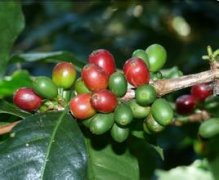
The road of Lincang coffee to take advantage of the best products has sprung up.
Lincang, which is located in the golden belt of coffee production in the world, its coffee industry is rapidly getting rid of the late start, and the latecomers are on the top. in 2013, the total coffee planting area in the city reached 554200 mu, ranking second in Yunnan Province.

Basic knowledge of coffee in main producing areas and characteristics of coffee
Coffee production zones (commonly known as coffee belts) range from 25 degrees north latitude to 30 degrees south latitude, covering many countries in Central, West Africa, the Middle East and South Asia, the Pacific, Latin America and the Caribbean. The reason why coffee cultivation is concentrated in this area is mainly due to the limitation of temperature. Because coffee trees are vulnerable to frost, neither north nor south latitude is suitable, especially in the tropics.

Fine Coffee the main producing areas and characteristics of coffee in the world
Coffee production zones (commonly known as coffee belts) range from 25 degrees north latitude to 30 degrees south latitude, covering many countries in Central, West Africa, the Middle East and South Asia, the Pacific, Latin America and the Caribbean. The reason why coffee cultivation is concentrated in this area is mainly due to the limitation of temperature. Because coffee trees are vulnerable to frost, neither north nor south latitude is suitable, especially in the tropics.

What's the difference between candle candle and Sakuran flavor? The difference between Guji and Sidamo producing areas
There are eight major coffee producing areas in Ethiopia: Lekempti, Limu, Illubabor, Djimmah, Harar, Teppi/Bebeka, Sidamo and Yirgacheffe. Ethiopian coffee is highly rated in China, especially the Chinese people are particularly interested in and love the producing areas of Sidamo and Yirgacheffe in Ethiopia. Sidamo

A brief introduction to the Coffee Variety Market of Alida Manor Hartman Manor in Baru Volcano area of Panama
The rugged mountain of Balu is a young volcano, more than 3400 meters above sea level, an active volcano, surrounded by seven different micro-climatic zones, brewing a rich and diverse ecological environment, and Arida Manor straddles them. Multiple micro-climate has both advantages and disadvantages for coffee growing. for Arida, her flavor is stronger and more fragrant than most Panamanian coffee.

The first coffee factory in China grows and produces coffee in Yunnan.
China's first coffee factory planted and produced coffee in Yunnan in 1955. Yunnan reclamation people began to operate Lujiang farmers in Baoshan, Yunnan Province.

Coffee planting zone and climate coffee tree planting environment and coffee growing area
Professional coffee knowledge exchange more coffee bean information Please pay attention to the coffee workshop (Wechat official account cafe_style) Coffee trees grow in the tropics between the Tropic of Cancer and the Tropic of Cancer and near the equator, also known as the world coffee growth belt, caffeine varieties and regional factors, there are also great differences in appearance. The color of leaves ranging from yellowish green to dark green or even brass.

Introduction to the varieties of Ethiopian Coffee beans produced by Grinding scale treatment
Ethiopia grows coffee in different climatic zones, so it has more than 140 farm varieties, and fresh coffee is produced all the year round. The quality of Ethiopian coffee varies according to different elevations and regional ecological environment. The Harar coffee in the southeast highland is a typical Muha coffee with a strong flavor; the coffee produced in the southwest Wollega has a rich fruity flavor; Limu coffee

Long aftertaste Colombia Na Linglong fine coffee bean varieties planting market price profile
Colombia's favourable climate provides a truly natural pasture for coffee. Coffee trees in Colombia are mainly cultivated in the Andes mountains, on steep slopes up to 1,300 meters above sea level, where the annual temperature is about 18 degrees Celsius, the annual rainfall is 2000 to 3000 mm, the latitude is 1 - 11 15, the longitude is 72 - 78, and the specific altitude range can exceed 2.000 meters. by

Introduction to where the Ethiopian Coffee Sidamo Chiso is produced
Where does Ethiopia's Sidamasha Chiso Coffee come from? Ethiopia grows coffee in different climatic zones, so it has more than 140 farm varieties, and fresh coffee is produced all the year round. The quality of Ethiopian coffee varies according to different elevations and regional ecological environment. Harar coffee in the southeast highlands is a typical Muha coffee with a rich flavor.

A brief introduction to the market price of Columbia's exquisite boutique coffee beans
The annual temperature there is about 18 degrees Celsius, the annual rainfall is 2000 to 3000 mm, latitude 1-11 15 north, longitude 72-78 west, the specific range can exceed 2.000 meters above sea level. By a special combination of factors, the latitude, altitude, soil, plant origin of species and varieties of coffee in the coffee growing areas of Colombia, the climate and tropics of the coffee growing areas

Columbia with a long aftertaste, the cultivation of exquisite boutique coffee beans, geographical location, climate and altitude
No matter in terms of yield or texture, Colombian coffee is first produced by Medellin, which is characterized by full granules, rich nutrition, moderate acidity, good balance, rich aroma and soft taste. In addition to Medellin, the provincial capitals of two neighboring provinces in the south, Armenia and Manizales, are also famous coffee producers.

High-balanced Columbia exquisite boutique coffee bean cultivation geographical location, climate, altitude is simple.
The annual temperature there is about 18 degrees Celsius, the annual rainfall is 2000 to 3000 mm, latitude 1-11 15 north, longitude 72-78 west, the specific range can exceed 2.000 meters above sea level. By a special combination of factors, the latitude, altitude, soil, plant origin of species and varieties of coffee in the coffee growing areas of Colombia, the climate and tropics of the coffee growing areas
A brief introduction to the Market Price of Columbia's exquisite Fine Coffee Bean varieties
The annual temperature there is about 18 degrees Celsius, the annual rainfall is 2000 to 3000 mm, latitude 1-11 15 north, longitude 72-78 west, the specific range can exceed 2.000 meters above sea level. By a special combination of factors, the latitude, altitude, soil, plant origin of species and varieties of coffee in the coffee growing areas of Colombia, the climate and tropics of the coffee growing areas

A brief introduction to the market price of Columbia's exquisite boutique coffee bean varieties
The annual rainfall is 2000 to 3000 mm, latitude 1-11 15 north and longitude 72-78 west. The specific range of elevation is more than 2.000 meters. By a special combination of various factors, the latitude, altitude, soil, plant origin of species and varieties of coffee in the coffee growing area of Colombia, the rain pattern produced by the climate and tropical convergence of the coffee growing area, in one.

A brief introduction to the treatment method of grinding degree and baking degree of Columbia exquisite boutique coffee beans
Origin: Nalinglong altitude: 1860 m-2220 m processing: washing harvest time: April-June (75%), October-February (25%) varieties: new Kaddura species, Castie baking degree: CITY+ flavor characteristics: roasted almonds, lemon and orange, white chocolate, honey, peach, round body, long aftertaste, balanced Colombian suitable climate provides one for coffee.

A brief introduction to the Origin, Development, History and Culture of Columbia's exquisite Coffee beans
The suitable climate in Colombia provides a real natural pasture for coffee. Coffee trees in Colombia are mainly cultivated in the Andes, on steep slopes about 1300 meters above sea level, where the annual temperature is about 18 degrees Celsius, annual rainfall is 2000 to 3000 millimeters, latitude 1-11 15 north, longitude 72-78 west, and the specific range of elevation can exceed 2.000 meters. By
A brief introduction to the origin, development, history and culture of Columbia's exquisite boutique coffee beans.
The suitable climate in Colombia provides a real natural pasture for coffee. Coffee trees in Colombia are mainly cultivated in the Andes, on steep slopes about 1300 meters above sea level, where the annual temperature is about 18 degrees Celsius, annual rainfall is 2000 to 3000 millimeters, latitude 1-11 15 north, longitude 72-78 west, and the specific range of elevation can exceed 2.000 meters. By

Brief introduction of Red Cherry Project Cambedo Coffee introduction to the flavor and taste of red cherry hand coffee
Professional coffee knowledge exchange more coffee bean information please follow the coffee workshop (Wechat official account cafe_style) front street-Yegashifi Red Cherry Project Cambedo Coffee introduction Banco Cooperative-Red Cherry Project Micro batch: organic Solar Sidama Banso (Organic Natural Bensa) is another representative of the Red Cherry Project quality coffee. It comes from the producing area of Sidamo province (Sidam).